

I have spent my entire career chasing Maximum Flavor. I have traveled for it, built restaurants around it, written books about it, read physiological books about it, and stood over more pans than I could ever count trying to understand exactly what makes one bite unforgettable.
And after all of that, I keep coming back to the same ingredient.
S a l t.
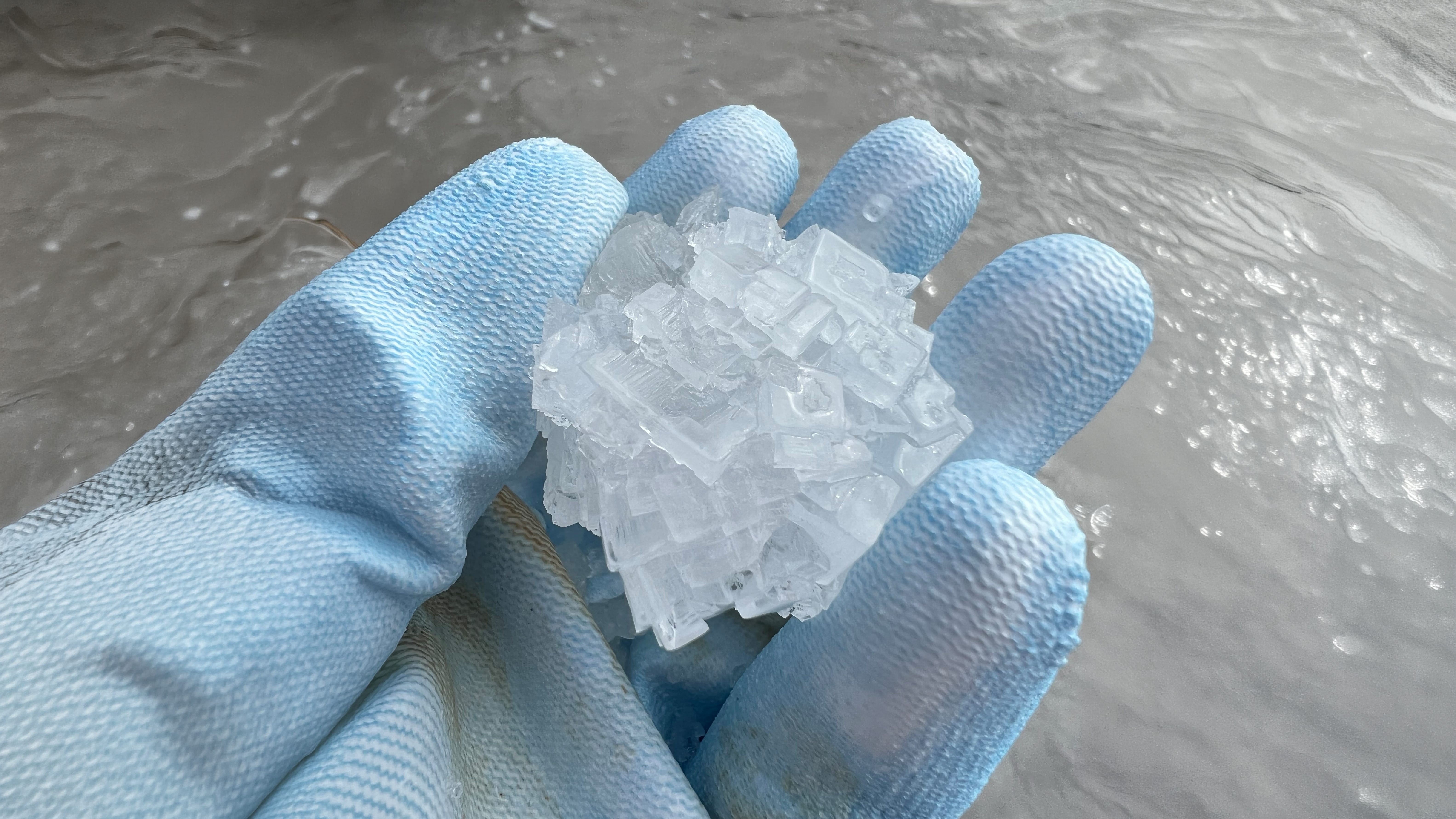
Not truffles. Not caviar. Not some rare chile that has to be carried down a mountain by moonlight. Salt, the inexpensive, ordinary, usually overlooked ingredient sitting within arm’s reach of almost every cook on earth.
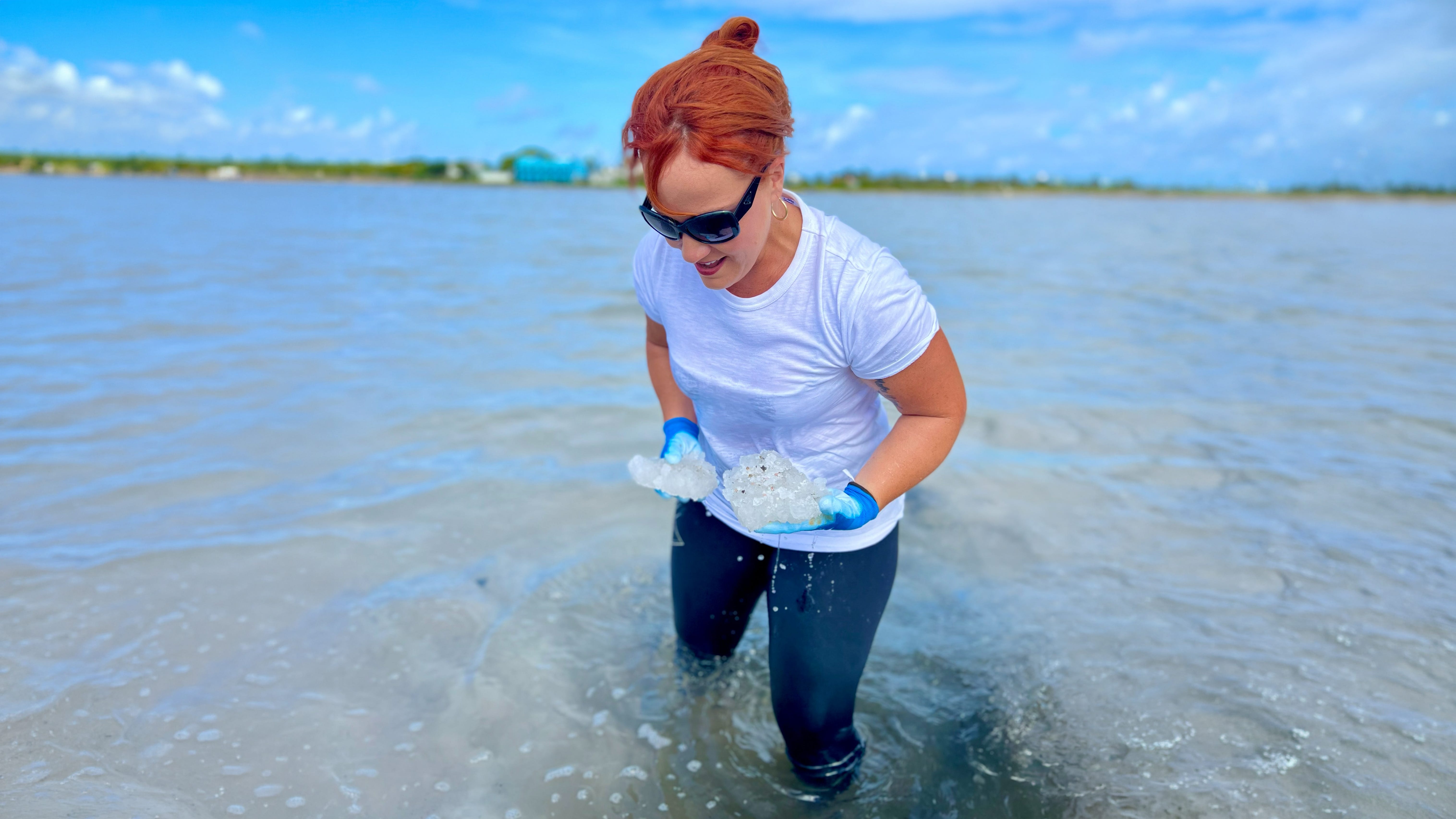
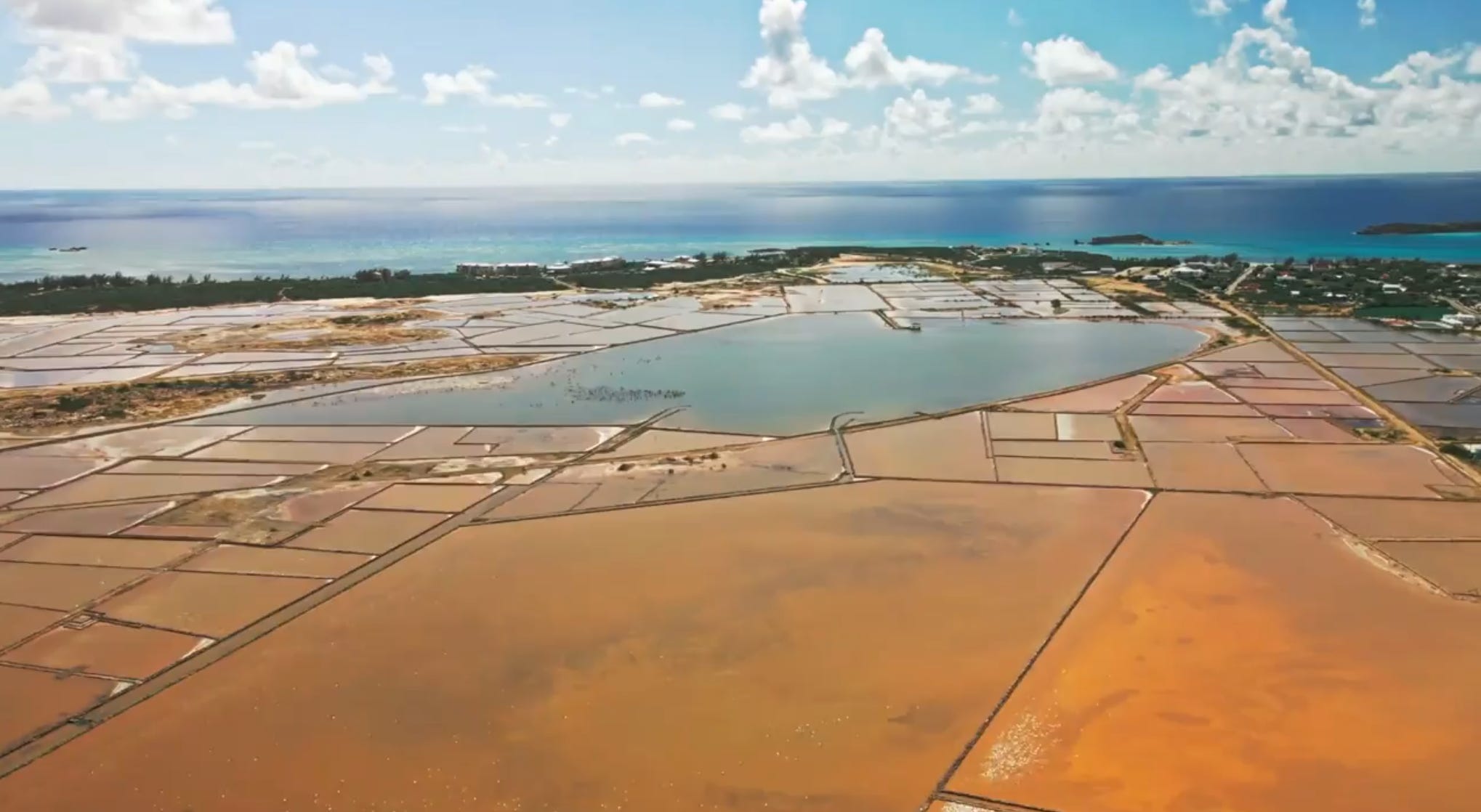
I started thinking about it differently during my time at Salterra Luxury Resort & Spa in South Caicos while doing a wonderful culinary residency. There, salt is not merely something in a shaker. It is part of the landscape. It is history. It is labor. It is the reason an island became connected to the rest of the world.
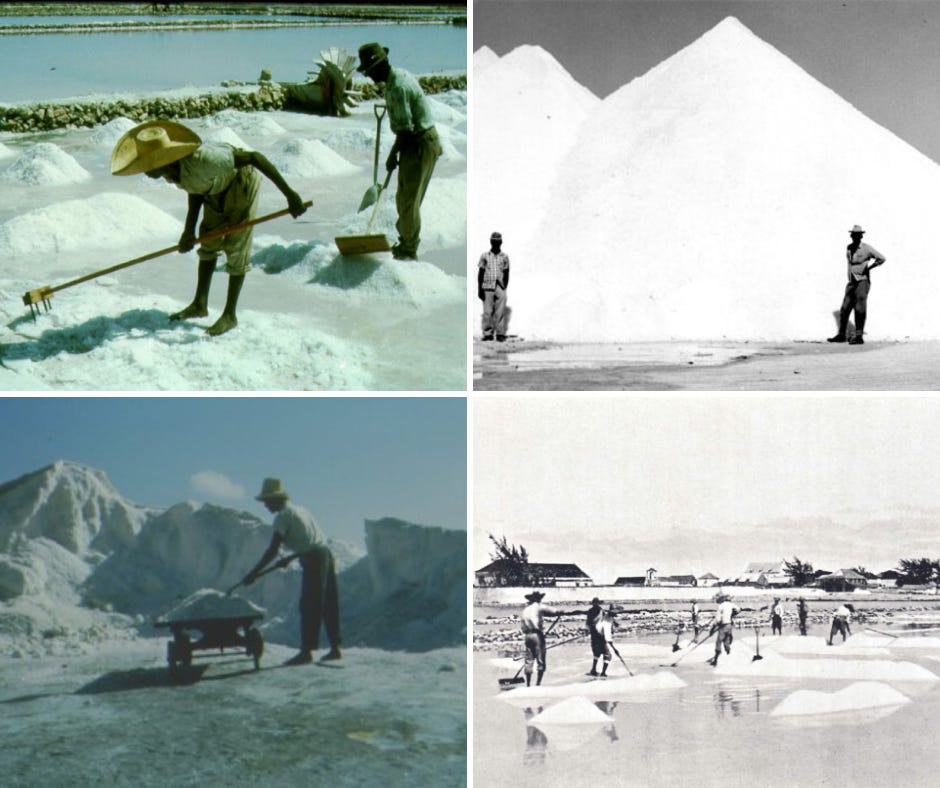
For roughly two centuries, sea-salt production was the backbone of the South Caicos economy. Seawater moved into shallow salinas, the sun and wind did their slow work, and what remained was harvested by hand. The industry ended in the 1960s, but its fingerprints are still everywhere: in the old salt ponds, the stone dividing walls, the remnants of windmills and the stories people continue to tell.
Standing there, surrounded by water once transformed into brilliant white crystals, I kept thinking: How did something so small become so powerful?
The answer is that salt never just made dinner taste better. Salt helped make civilization possible.
The First Flavor Amplifier
Salt does something almost magical to food, except it is not magic at all. It is chemistry, and great chemistry is the closest thing a cook has to a superpower.
Used correctly, salt does not simply make food taste salty. It suppresses bitterness, heightens sweetness, sharpens acidity and allows aromas and savory flavors to come forward. A tomato tastes more intensely like a tomato. A steak becomes beefier. Chocolate becomes deeper. Watermelon becomes sweeter. Even a great cocktail can suddenly feel more complete with a nearly invisible touch of saline.
That is why I believe salt is the most important ingredient in cooking. It does not arrive at the party demanding attention. It introduces every other ingredient properly.
You can buy the best chicken, the ripest tomatoes and the most beautiful olive oil available. If you do not season them properly, they will taste like muted versions of themselves. On the other hand, a humble potato with the right amount of salt can stop you mid-bite.
Salt is not the loudest instrument in the orchestra. It is the conductor.
Before Refrigerators, There Was Salt
Today, if we want to keep something fresh, we put it in the refrigerator and move on with our lives. For most of human history, there was no refrigerator waiting in the kitchen. Food came in seasons. Meat spoiled. Fish spoiled. A good harvest could not automatically follow you into winter. Salt changed that.
By drawing out moisture and making food less hospitable to many spoilage organisms, salt gave people time. Fish could survive a voyage. Meat could last beyond the day it was butchered. Vegetables could become pickles and ferments. Milk could become cheese. A harvest could become a pantry..
Think about how many foods we now consider luxurious, comforting or culturally essential that began as answers to one very practical question: How do we keep this from spoiling?
Prosciutto. Country ham. Bacon. Gravlax. Salt cod. Olives. Sauerkraut. Kimchi. Soy sauce. Miso. Parmesan. Feta.
Salt did not merely preserve ingredients. It helped create entirely new ones.
This is the part I find extraordinary: preservation eventually became pleasure. People discovered that when salt, time and technique worked together, food did not simply last longer. It developed new textures, deeper aromas and layers of umami that the fresh ingredient never had.
Necessity may have built the pantry, but flavor made us return to it.
The Ingredient That Moved the World
Once people understood that salt could preserve food, it became more than a kitchen staple. It became an economic engine.
Salt traveled along trade routes. Settlements formed near salt springs, mines and flats. Governments taxed it. Empires controlled it. Communities depended on it. It helped provision armies, fishing fleets, explorers and cities far from where food was grown.
It was valuable not because it was glamorous, but because life worked better when you had it, and became very difficult when you did not.
That story played out vividly in the Turks and Caicos Islands. Beginning in the late 1600s, seasonal salt rakers from Bermuda developed the islands’ natural salt ponds into salinas. For generations, workers endured blinding sun, intense heat and hours in corrosive brine to rake, move and load the crystals that the rest of the world needed.
South Caicos, along with Grand Turk and Salt Cay, became part of that trade. The salt industry gave the island work, commerce and a connection to ships and markets far beyond the Caribbean. Then refrigeration, industrial-scale production and better-equipped competitors changed the economics. By the 1960s, commercial production had ended.
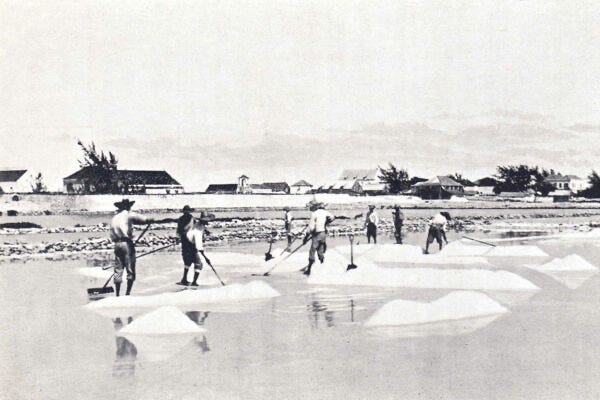
But an industry can disappear without its story vanishing. In South Caicos, the salinas remain like a memory written directly into the earth.
Salt Is Also Part of Us
Salt matters outside the kitchen too. Sodium helps the human body maintain fluid balance, transmit nerve impulses, and contract and relax muscles. In other words, the same ingredient we use to wake up a sauce also helps keep the body’s own electrical system working.
But this is where the conversation needs common sense.
Our bodies require sodium; they do not require an endless supply of it. Too much sodium can contribute to high blood pressure and other health problems, especially for people who are salt-sensitive or have certain medical conditions. The FDA recommends that most adults consume less than 2,300 milligrams of sodium per day, about the sodium in one teaspoon of table salt from all sources, not one teaspoon sprinkled freely over dinner.
The important phrase is from all sources.
For many people, the biggest sodium load is not the pinch used to season fresh vegetables or a piece of fish at home. It is already hiding in packaged foods, sauces, breads, deli meats, snacks and restaurant meals before the saltshaker ever reaches the table.
So no, this is not permission to salt without thought. It is an invitation to cook with intention. Taste as you go. Read labels. Learn where the sodium is coming from. If your doctor has given you a specific limit, follow it. Salt should make food more alive, not become the only thing you can taste.
Why Chefs Season in Layers
One of the biggest differences between restaurant cooking and home cooking is not always butter, equipment or technique. Often, it is timing.
Chefs season throughout the process.
We salt the water. We season the protein. We taste the sauce as it reduces. We adjust the vegetables. We finish with a final crystal only if the dish needs it. Each small addition enters the food at a different moment and does a different job.
Dumping all the salt on at the end can make the surface taste salty while the center remains completely flat. Layering it gives the seasoning time to move through the food and become part of the dish.
There is also no single “best salt” for every task. I use kosher salt for everyday cooking because the crystals are easy to feel between my fingers and distribute evenly. Fine sea salt dissolves quickly and works beautifully when precision matters. Flaky salt is a finishing ingredient; it brings little flashes of crunch and salinity to steak, tomatoes, chocolate, caramel or warm bread.
And please taste before reaching for more. A sauce that will reduce is going to become saltier. Parmesan, olives, capers, cured meat, soy sauce and bouillon are already contributing sodium. Great seasoning is not about memorizing an amount. It is about paying attention.
A Pinch Can Change Everything
Modern food culture loves the spectacular. We chase the cheese pull, the towering garnish, the dramatic table-side pour and whatever ingredient is trending this week. I enjoy theater too, food should be exciting, but spectacle cannot rescue a dish that has not been seasoned. Salt is the opposite of a viral stunt. Most of the time, no one even sees it. They only notice what it did.
The crust on the steak tastes more intense. The soup suddenly feels complete. The grapefruit loses a little of its aggressive bitterness. The cookie tastes more chocolatey. The tomato goes from watery to tasting like August sunlight.
That is Maximum Flavor in its purest form: not adding something merely to make noise, but using exactly what is needed to unlock the full potential of what is already there.
South Caicos reminded me that the most ordinary-looking things can carry enormous stories. Salt kept food. It moved ships. It built economies. It shaped an island. It supports the body. And every day, in kitchens all over the world, it performs one more quiet miracle. It makes food taste more like itself.
That is why, if you ask me to name the most important ingredient in cooking, I will choose salt every single time.
Watch the incredible time we had at Salterra Luxury Resort & Spa in South Caicos here on Substack or on my YouTube channel, and see how an island built on salt is writing an extraordinary new chapter.
Sources:
Turks and Caicos National Museum, “Salt Industry”
Visit Turks and Caicos Islands, “History of the Salt Industry” and “South Caicos Salt Salinas”
Turks and Caicos Islands tourism, “South Caicos”
U.S. Food and Drug Administration, “Sodium in Your Diet”
National Academies/NCBI Bookshelf, “Preservation and Physical Property Roles of Sodium in Foods”
Harvard T.H. Chan School of Public Health, “Salt and Sodium”
Check out my recent posts and like, subscribe, and comment!


Enjoying This Story?
Imagine an entire cookbook built around the same philosophy you’ve been reading here on Substack. My latest cookbook Maximum Flavor at Home is available for pre-order now.

You’ve read the recipes. Now experience them.
Join Chef Adrianne aboard City Cruises Chicago for an exclusive culinary cruise featuring a specially curated menu, beautiful skyline views, and an evening celebrating great food and great company.
Seats are limited and these events often sell out. Don’t miss out!

If you’ve followed my recipes, restaurant stories, and culinary adventures….
Here’s your chance to experience the flavors that built the Maximum Flavor philosophy. Order my signature creations through Goldbelly and enjoy them from the comfort of your own home.

For more insider content make sure to follow me on my other socials!
📸: ChefAdrianne ♪:ChefAdrianne In:ChefAdrianne

https://adriannecalvo.com/
Thank You for Reading!